
Specialty lubricants for
medical technology
Biocompatible. Safe. High-performance.
Highest standards
in medical technology
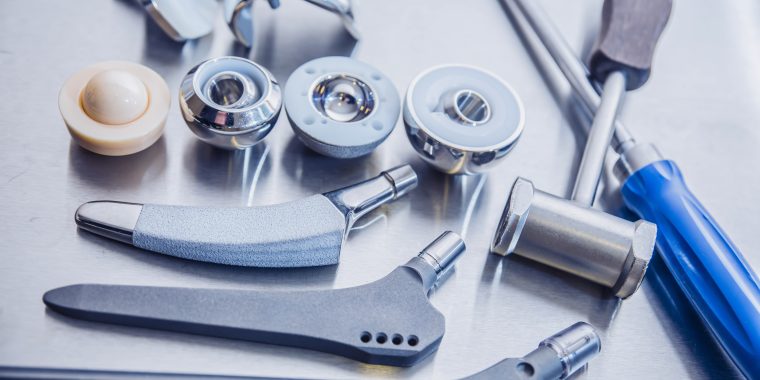
In the medical technology sector, materials and processes must meet the most severe quality and safety requirements. Lubricants play a central role in this - from the functionality of medical devices to the safe manufacture of implants.

Biocompatible & ISO 10993 approved
MDR-compliant (classes I–III)
Free of SVHC / REACH- & RoHS-compliant
Tailor-made solutions
Biocompatibility & non-cytotoxicity Focus on biocompatibility
Focus on biocompatibility
& non-cytotoxicity
Cytotoxicity refers to the effect of a substance on living cells. For medical applications, lubricants must be tested in accordance with ISO 10993-5 to ensure they are non-cytotoxic.
Even minimal residues can lead to complications or implant rejection.
- Standardized testing methods (ISO 10993 series)
- Regular independent inspections
- Safety in invasive and non-invasive applications
- Risk minimization in production






Product highlights Our portfolio for medical
Our portfolio for medical
technology
Comprehensive portfolio: From production to application - everything from a single source.
 BOSS-Fluorine® CI (PFPE-based lubricants)
- Extremely inert and chemically resistant
- Fully biocompatible
- Ideal for high-precision and high-risk applications
 Medical Grease & Medical Fluid
- PFAS free
- Highly versatile
- For bearings, gearboxes, and endoscopes
- Highly customizable to your application and components
 Silicone-based systems
- Especially suitable for high material compatibility and precise movements
- As assembly aid or functional lubricant
 Synthetic systems
- Environmentally friendly to biodegradable
- PFAS- and silicone-free
 Cut Medic & Grind Medic (machining)
- High-performance cutting and grinding oils for medical materials
- Non-cytotoxic surfaces
- Reduced emissions thanks to anti-mist technology
 Medical Clean
- Cleaning solutions for medical components
- Ensuring biocompatibility and hygiene
Process & quality expertise
Quality & compliance at the highest level
- MDR support (classes I–III)
- REACH / RoHS compliance
- Support for regulatory approvals (FDA, etc.)
- Risk-based quality approach